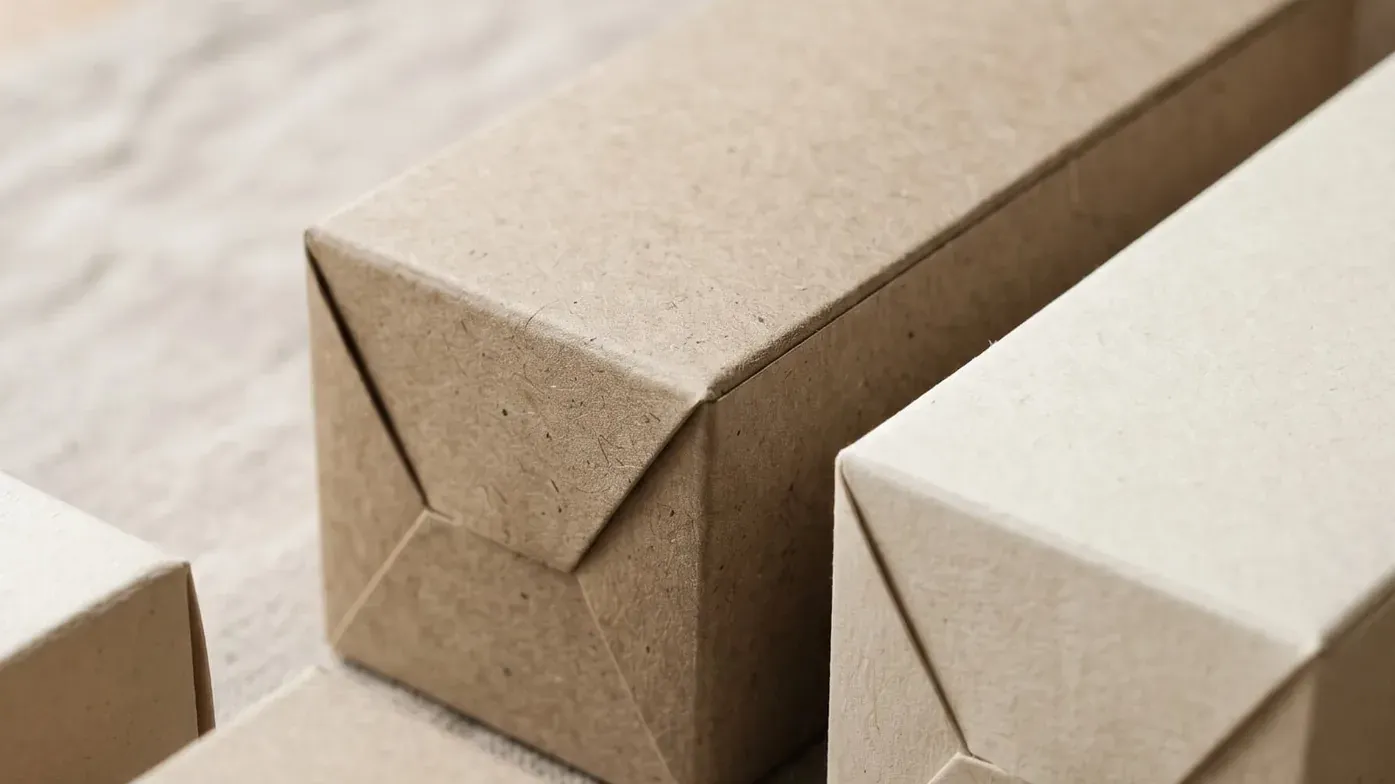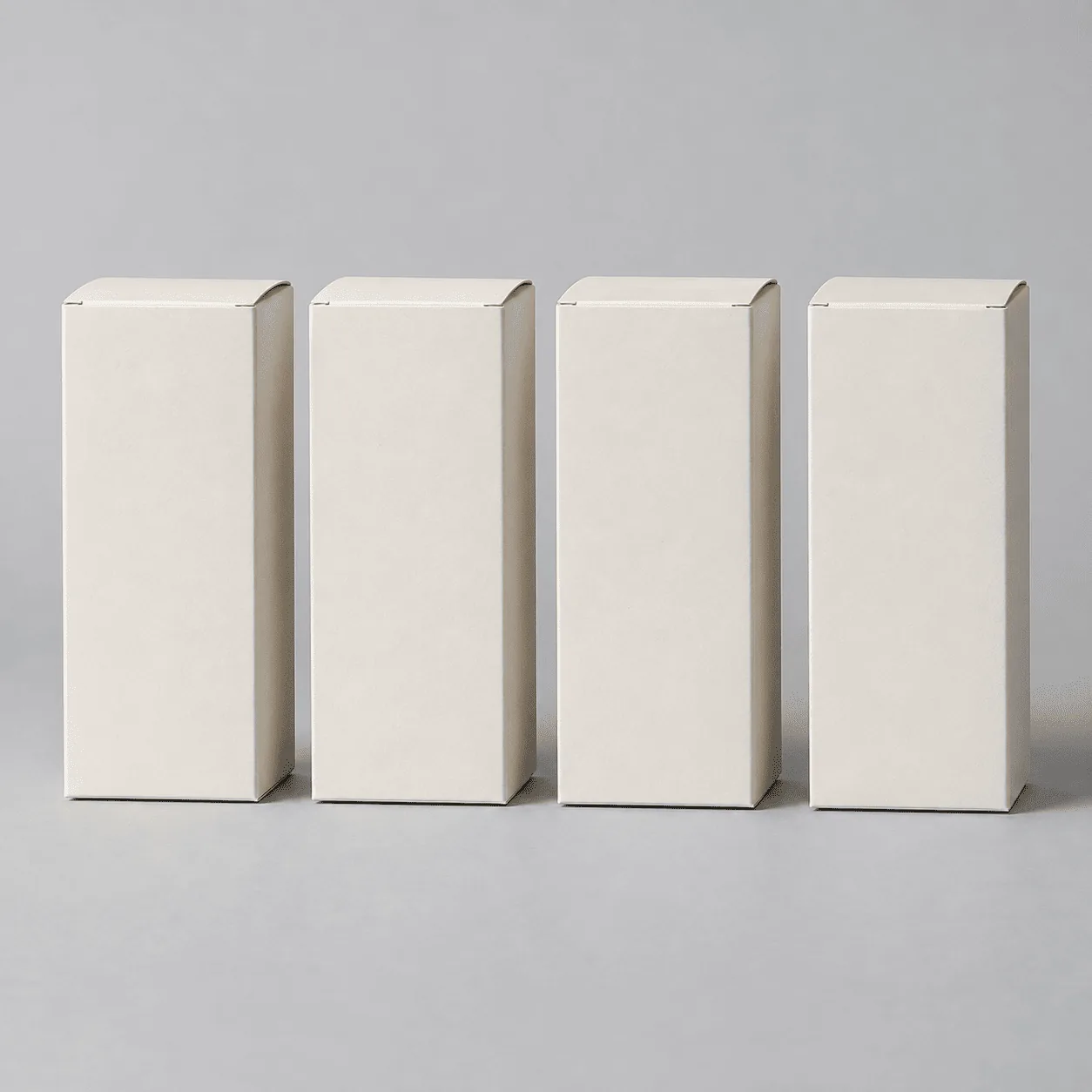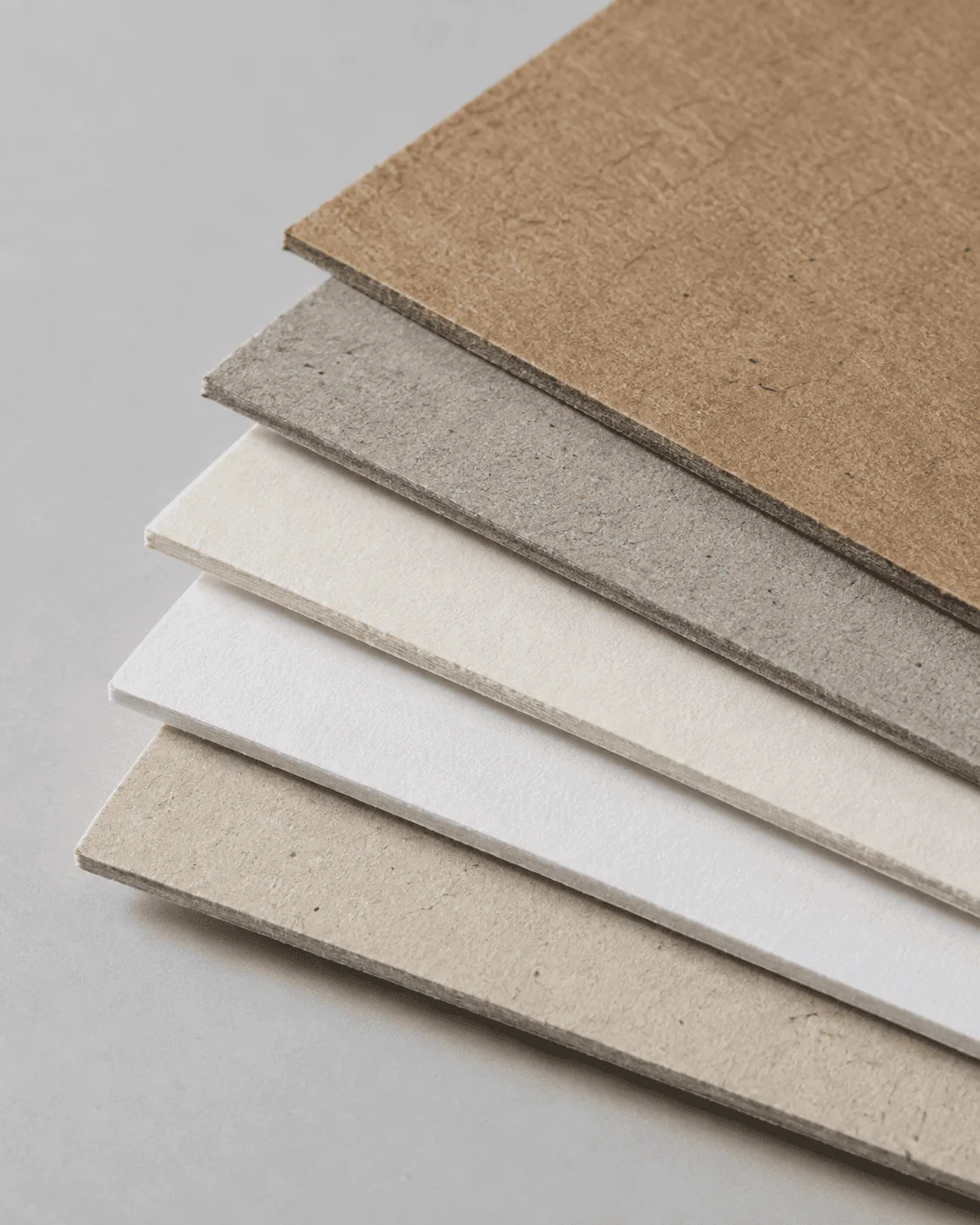
Sustainability claims are easy to print on a box. Backing them up is harder. If you sell skincare, fragrance, or makeup in Europe, two certifications come up again and again when you talk to packaging suppliers: FSC and Vegan. Both are useful. Both are also widely misunderstood, and the gap between what buyers think they mean and what they actually cover causes real problems at audit, on the shelf, and in front of increasingly informed customers.
This guide explains what each certification covers, what it does not, and how to use them correctly on cosmetic folding boxes.
Why certifications matter more for beauty packaging now
Beauty buyers read packaging the way they read ingredient lists. A growing share of shoppers check whether a brand's claims hold up, and retailers across Europe now ask for documented proof before they list a product. At the same time, regulators are tightening the rules on environmental claims. Vague words like "eco-friendly" or "green" are losing their value, and in some markets they carry legal risk if you cannot support them.
Certifications fill that gap. They replace a claim you make about yourself with a claim a third party makes about you, after checking. That is the whole point, and it is why "FSC certified" carries weight that "made from responsible materials" does not.
What FSC certification actually covers
FSC stands for the Forest Stewardship Council. When a cosmetic folding box carries the FSC label, it means the paper or board used to make it can be traced back to forests managed against a defined set of environmental and social standards.
Here is what that covers in practice. The wood fibre comes from forests where harvesting is controlled, biodiversity is considered, and the rights of local communities and workers are respected. Every company that handles the material along the way, from the forest to the mill to the box maker, holds chain of custody certification. That chain is what lets the final box carry the label honestly. If any link in the chain is not certified, the claim breaks.
There are a few FSC label types worth knowing. FSC 100 percent means all the fibre comes from FSC certified forests. FSC Recycled means the material comes from reclaimed sources. FSC Mix means a controlled blend of certified, recycled, and other controlled material. For most cosmetic folding boxes you will see FSC Mix, and that is normal and legitimate.
What FSC does not cover
This is where buyers get caught out. FSC certifies the source and handling of the fibre. It does not certify the coating on the box, the inks, the foiling, or the glue. A box can be FSC certified and still carry a finish that complicates recycling. FSC also says nothing about whether the box is vegan, nothing about carbon footprint, and nothing about whether the box was made close to your market or shipped halfway around the world.
So FSC answers one question well: was the paper responsibly sourced and properly tracked. For everything else, you need to look further.
What Vegan certification actually covers
A Vegan certification on packaging confirms that no animal-derived materials were used in the box and, depending on the scheme, that no animal testing was involved in the supply chain.
People are often surprised that packaging needs this at all. The issue is that several common materials in printing and finishing have historically been animal derived. Some glues use animal-based gelatin. Certain inks and coatings can contain shellac, which comes from an insect, or other animal-derived additives. A box can look perfectly plant based and still fail a vegan check because of what is in the adhesive or the varnish.
Vegan certification closes that gap. It verifies the full material stack, including the parts customers never see, so a brand that markets itself as vegan does not get undercut by its own packaging.
What Vegan does not cover
Vegan certification is about animal-derived inputs. It does not tell you anything about forest sourcing, recyclability, or carbon. A box can be certified vegan and still be made from fibre with no traceability at all. This is exactly why FSC and Vegan are complementary rather than interchangeable. One covers where the material came from. The other covers what went into it.
Using both correctly on your packaging
The strongest position for a beauty brand is to hold both, because together they answer the two questions a careful customer or retailer will ask: was this responsibly sourced, and is it consistent with a vegan claim. Neither certification alone covers both.
A few practical points. Only show a certification mark if your specific box qualifies and you hold the documentation to prove it. Showing an FSC logo on a box that is not actually part of a certified chain is a serious problem, not a small one. Keep your certificates and scope documents on hand, because retailers and auditors will ask for them, and a claim you cannot evidence is worse than no claim at all. And be precise in your wording. "FSC certified board" is a claim you can defend. "Sustainable packaging" on its own is the kind of vague phrase regulators are moving against.
A short checklist before you commit to a supplier
Ask whether the supplier holds valid chain of custody certification, not just a claim that the paper is "FSC paper." Ask whether the vegan certification covers the coatings, inks, and adhesives, not only the board. Ask to see the actual certificates and their scope. And ask how the certified finishes affect recyclability, since a certified box with a hard-to-recycle coating sends a mixed message.
These questions take a few minutes and save you from claims that fall apart later.
Where Etiteks fits
Pack by Etiteks makes cosmetic folding boxes for beauty brands across Europe, with FSC and Vegan certified materials and the documentation to back both. Production runs through the EU-Turkey Customs Union, which means zero import duty into the EU. If you are reviewing suppliers and want to see the quality and finish in person, we can send a few samples so your team can check them against your standards.